
Breaking the Debt Cycle: How Accessing Earned Wages Matters
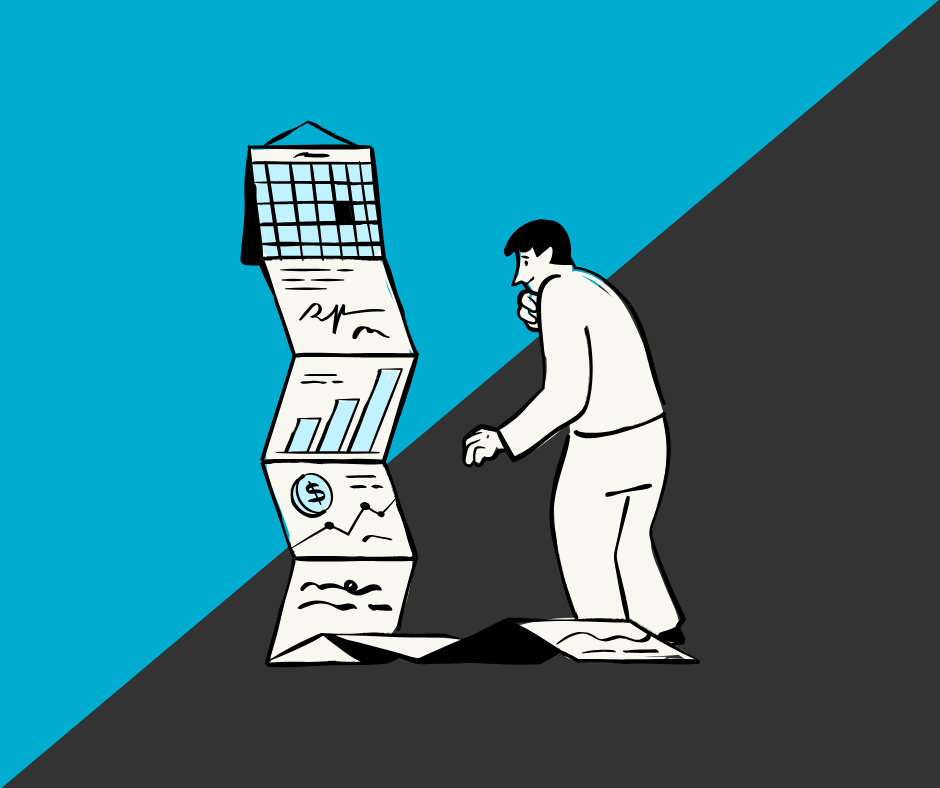
For millions of workers, the gap between finishing a shift and receiving a payslip is a source of immense stress. Bills, groceries, and unexpected emergencies rarely adhere to a rigid monthly pay cycle. When an expense arises three days before payday, many employees find themselves asset-rich but cash-poor. They have earned the money to cover the cost, but they cannot access it.
This gap between work and pay often forces individuals toward high-interest credit solutions, such as payday loans, overdrafts, or credit cards. This can trigger a cycle of debt that is difficult to escape. However, the rise of Earned Wage Access (EWA) is changing this narrative. By allowing employees to access a portion of their accrued salary before the scheduled payday, businesses are helping their staff build financial stability and reduce reliance on external debt.
Bridging the Liquidity Gap
The traditional monthly payroll model was designed for administrative efficiency, not for modern financial reality. Life is unpredictable. A car breakdown, a boiler repair, or an unexpectedly high utility bill does not wait for the end of the month.
Without access to their own funds, employees often have few choices. They may delay payment, incurring late fees, or borrow money to bridge the gap. Earned Wage Access eliminates this waiting period. It gives workers the flexibility to align their income with their expenditure. If a bill arrives on the 15th, they can pay it using the wages they earned from the 1st to the 14th. This simple shift in timing removes the need for short-term borrowing.
Building Financial Resilience
Financial resilience is the ability to withstand life's shocks without falling into financial distress. For many, a limited cash flow flexibility is the primary barrier to resilience.
In fact, research has found:
1 in 10 UK adults have no savings
A quater of UK adults have low financial resiliance
When a crisis hits, the absence of savings or available cash forces a reliance on credit.
Accessing earned wages acts as a safety net. It allows employees to handle unexpected costs using their own money rather than someone else's. This is a crucial psychological and financial distinction. Using a credit card or an overdraft increases a person's liabilities; using earned wages simply liquidates an existing asset.
By handling emergencies with their own funds, employees avoid the compounding stress of repayment schedules and interest accumulation. Over time, this stability allows them to focus on building a savings buffer rather than servicing past debts.
The Cost of Waiting vs. The Cost of Accessing
Critics sometimes argue that accessing wages early might encourage poor budgeting. However, the alternative is often far more damaging. The cost of a small transaction fee to access earned wages is almost always significantly lower than the cost of high-interest debt.
Consider the compounding interest of a payday loan or the daily fees associated with an unarranged overdraft. These costs can spiral quickly, turning a small shortfall into a significant financial burden. By contrast, Earned Wage Access provides a low-cost, transparent alternative. It prevents the accumulation of interest, keeping more money in the employee’s pocket in the long run.
A Pathway to Financial Wellness
Financial wellness is not just about how much a person earns, but how much control and flexibility they have over their finances. When employees are constantly chasing their next payslip to pay off debts incurred during the previous month, they cannot plan for the future.
Earned Wage Access provides the breathing room necessary to step away from debt. It restores autonomy, allowing individuals to manage their cash flow in a way that suits their lives. By reducing the need for high-interest credit, it empowers workers to keep more of what they earn and build a more secure financial future.